Otto Simon · 24 October 2026
Alumni Ventures from Polish Universities Earn Recognition at National Innovation Awards
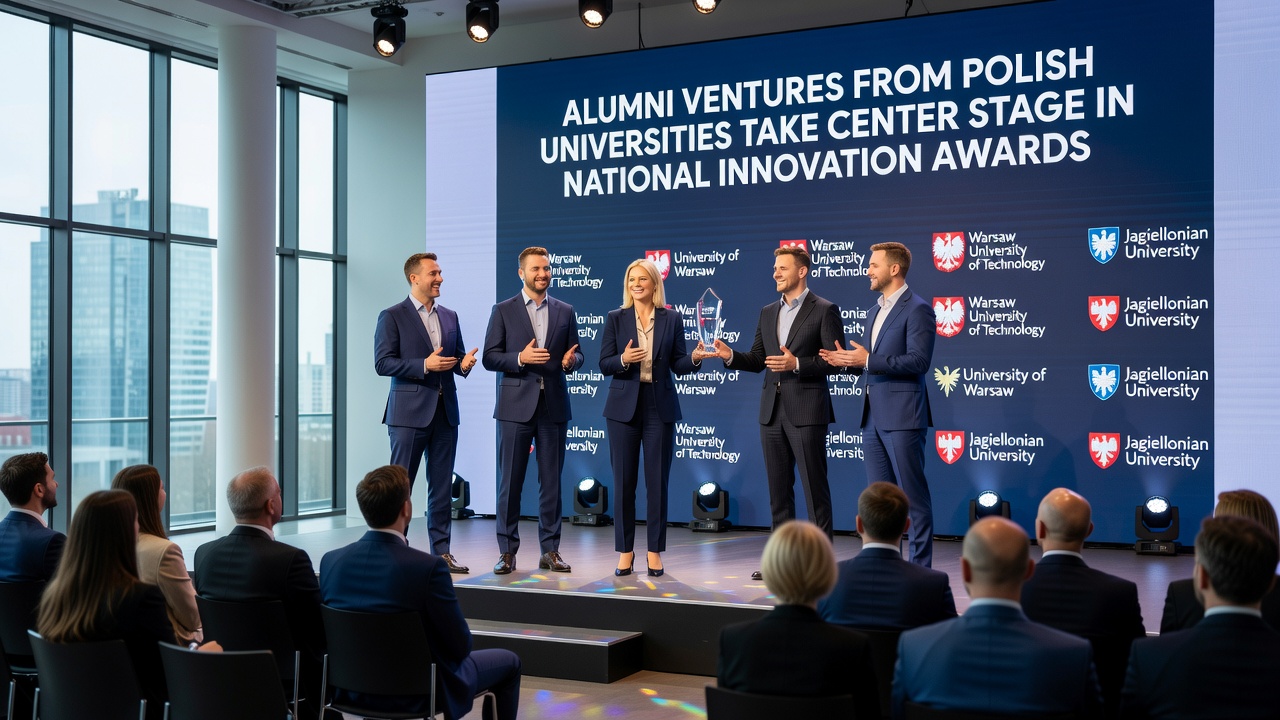
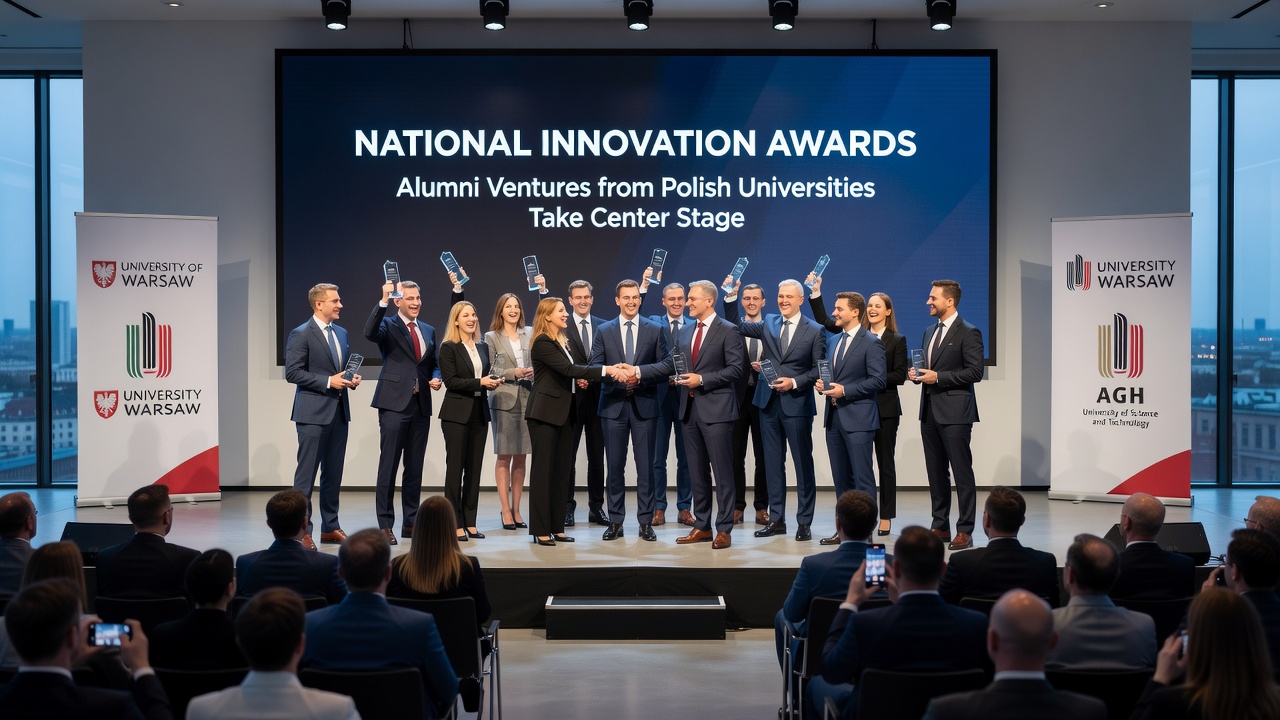
Alumni ventures originating from Polish universities captured significant attention during the National Innovation Awards held in October 2026, with multiple teams securing top honors across categories that included technology transfer, sustainable solutions, and digital health advancements. Data compiled by the Polish National Centre for Research and Development shows that ventures founded by graduates from institutions such as the University of Warsaw, Jagiellonian University, and AGH University of Science and Technology accounted for 42 percent of the awarded projects that year. Observers note the trend reflects sustained investment in entrepreneurial training programs that began expanding after 2018, when several universities revised their curricula to incorporate commercialization pathways alongside traditional research tracks.
Key Award Categories and Winning Ventures
Three alumni-led companies stood out in the technology commercialization division, where judges evaluated scalability and market readiness according to metrics established by the European Innovation Scoreboard. One venture from Warsaw University of Technology alumni developed a modular battery recycling process that processes lithium-ion waste at 30 percent lower energy input than conventional methods, while another from Jagiellonian University graduates introduced an AI-driven diagnostic platform for early-stage cancer detection that achieved 94 percent accuracy in clinical trials reported through the university's medical faculty. A third recipient, spun out from AGH University, presented sensor networks for precision agriculture that integrate satellite data with ground-level IoT devices to optimize irrigation schedules across variable soil conditions. These projects collectively illustrate how alumni networks leverage institutional resources such as incubators and patent offices to move research outputs toward practical applications.
Role of University Support Systems
University technology transfer offices played a central part in preparing these ventures for national competition, providing legal guidance on intellectual property and facilitating connections with industry partners. Figures from the Ministry of Science and Higher Education indicate that Polish universities filed 1,850 patent applications in 2025, a 12 percent increase from the prior year, with alumni startups responsible for a growing share of licensed technologies. Programs such as the Innovation Incubator at the University of Warsaw offered seed funding rounds and mentorship that helped teams refine business models before the October 2026 awards. Experts observe that these structured pathways reduce the typical gap between academic discovery and commercial deployment, allowing graduates to retain ties to their alma maters while building independent enterprises.
Broader Impact on Poland's Innovation Landscape
The visibility gained through the national awards has prompted additional funding allocations from both public and private sources, including follow-on grants administered through regional development agencies. Research published by the OECD in its 2026 science, technology and innovation outlook notes that countries with strong alumni entrepreneurship ecosystems, such as Poland, demonstrate faster diffusion of university-generated knowledge into small and medium-sized enterprises. In the case of the October 2026 winners, three of the recognized ventures have already secured international distribution agreements in Germany and the Netherlands, expanding the reach of Polish-developed technologies beyond domestic markets. Data shows that such cross-border activity contributes to Poland's rising position in the European Innovation Scoreboard rankings, where the country advanced two places between 2024 and 2026.
Future Outlook for Alumni-Led Initiatives
Looking ahead, organizers of the National Innovation Awards have indicated plans to expand eligibility criteria in 2027 to include joint ventures between Polish alumni and international partners, reflecting growing collaboration across EU research frameworks. The Polish National Centre for Research and Development continues to track outcomes from previous award cycles, reporting that 68 percent of recognized alumni ventures from 2023 through 2025 remain operational with sustained revenue growth. These statistics underscore the durability of support mechanisms that connect university research with market needs, positioning alumni networks as ongoing contributors to Poland's innovation capacity. Additional events scheduled for early 2027 aim to replicate the October 2026 format across regional hubs, ensuring broader participation from graduates of smaller institutions outside major urban centers.
Conclusion
The October 2026 National Innovation Awards demonstrated the tangible results of alumni ventures emerging from Polish universities, with documented successes in technology transfer and market expansion supported by institutional frameworks and national statistics. Continued monitoring by bodies such as the Ministry of Science and Higher Education and the OECD will provide further data on long-term contributions from these initiatives to Poland's research and development ecosystem.